Nutritious Foods to Keep You Warm In Cold Weather and How Dress to Keep Healthy on Minus Temperatures.
Every bad winter that comes around, we need to relearn how to deal with cold weather.
Let's start with dressing for the occasion:
The way you dress for winter in the city can be very different from how you dress for long walks, hikes, or camping trips.
As you move between warmer and cooler areas in the city, frostbite is not really an issue. Nature trips, however, offer a completely different experience.
When staying safe from Coronavirus means spending more time outside in the cold, we must learn how to dress properly.
In order to simplify layering for sub-zero temperatures, we will use a handy question-and-answer format.
What's the best layering method?
There are a couple central rules of layering. The first and most important of them is to wear lots of loose layers — the key word here being "loose."
That's because the insulated air that circulates between each layer is what's actually keeping you warm.
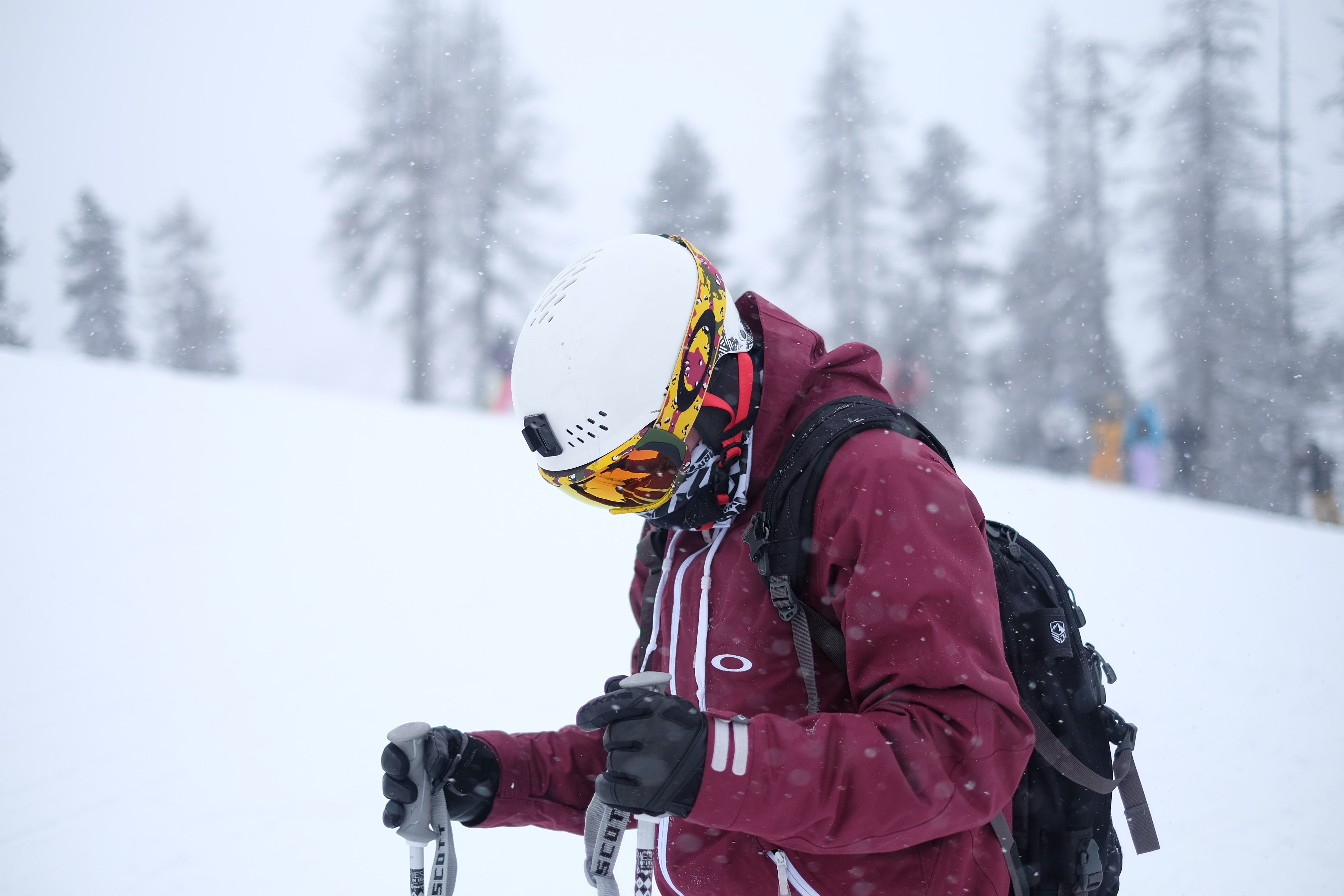
Wear fewer layers if you plan to walk around the city, skate or ski. The more active you plan to be, the fewer layers you should wear; good body circulation is the key to warmth.
Having 500 layers on and not being able to move won't do you any good because it will block your circulation. If you wear four pairs of socks stuffed in a boot, your toes will get frostbite because everything's too tight, and there's no blood.
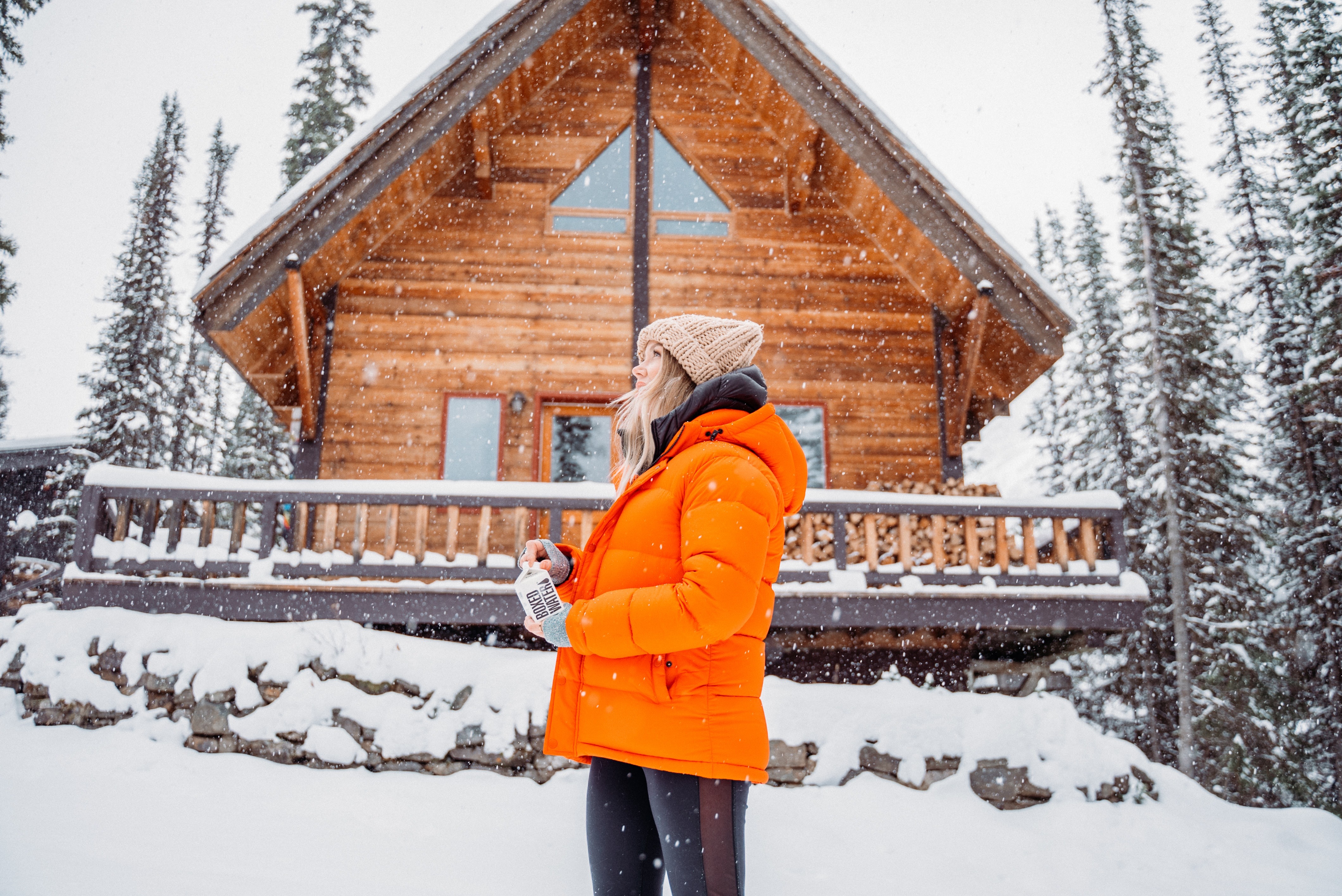
When temperatures plunge much below zero, and you are going out in nature, layer with two or three pairs of oversized long johns in moisture-wicking synthetic fabrics or merino wool, a bib, fur for the neck and face, and at least three pairs of gloves (the thinnest layer goes on first, the surplus military ones go on last), topped with coveralls.
Over that, wear an extra-large extreme-weather coat shell; the coat/shell prevents the cold from getting through, so it's like weatherproofing your house. After all, your body is your personal shelter, wrapping it in freezing weather is like protecting and insulating your home.
What are the best fabrics to use to shield from wind and cold, and how should I layer them?
Keep away from cotton, it has virtually zero moisture-wicking properties. Instead, ensure that the fabric closest to your skin is made of synthetic, merino wool or Cashmere.
Cashmere helps to maintain your natural body temperature, meaning it keeps you warm but not hot. It is also naturally absorbent, letting your body breath. Cashmere can be seven to eight times warmer than merino wool.
Why are moisture-wicking fabrics so important?
Sweat will kill you! The big thing to do is move slower than you think. Once you get into the zero digits, you want to avoid running around and warm up so much that you break a sweat.
Hoods with fur (or faux fur) trim are best because fur creates friction that holds back the wind.
What’s the best way to protect my skin from the elements?
You should always be wearing sunblock on your face, but before heading out into a snowy environment, there's one place that people might miss: the underside of their nose. Snow reflects!
Once you're back inside, go for the usual suspects that promise to moisturize: heavy lotions, balms, and Vaseline.

Do hats really matter?
Yes! And they require their own layering methods, too. While you won't be wearing goggles during your commute to work, you can still rely on the tenets used by arctic researchers to protect your eyes and face.
If you put on a baseball cap and then a snow hat, the ball cap creates a brim, and it's amazing how much sun that blocks. It's a great wind blocker. Another handy use for baseball caps: When you wear sunglasses, the brim traps the heat that would have been lost through the top of the shades.
Wait, do your eyeballs freeze?
When the wind blows hard in your eye, you will start to tear, which can cause your eyelashes to freeze.
If you open your eyes too fast, you can rip the eyelashes out. We are talking -20, freezing of contact lenses, and tearing your eyelashes out because they've frozen together.
If that happens, the first thing you do is leave your eyes closed. If you have sunglasses or anything on, take them off and put your mittens right over your eyes. Warm it up before you try to open your eyes and rip your eyelashes off.
So yes, hats matter.
What’s the best way to layer on your feet?
Remember the thing about loose layers? That's important here, too.
If you're really, really, really cold, you actually want your feet to be in something so loose that your boot's moving around a bit.
Never puts on more than two layers of socks: a moisture-wicking one closest to the skin, followed by a thicker wool pair. And obviously, wear a waterproof boot because, once again, "wet will really kill you."
What stupid things do people do in the cold that they really shouldn’t?
Strangely enough, one of the worst mistakes people often make is more mental than physical.
If you're excited and tense, you will block your circulation. Instead, the key is to warm up before you go outside.
Saunas exist for an excellent reason. Try drinking warm soup broth before heading out rather than coffee or tea because "tea makes you pee."
What should I do if I suspect I may be getting frostbite?
You can tell when you're getting too cold by how your fingers and toes feel since they're farthest from your heart.
Cold extremities need to be tended to immediately.
If your hands and feet start to hurt, stop what you're doing and warm them up, either by going inside or using the available tools.
And if you have no other choice, strategies used by fishermen and the Inupiat people of Alaska involve using one's own snot and/or pee (which, hopefully, you will never have to use) to warm up the area.
Any bleak white skin sign also means that blistering may have already started.
In the last ten years, ice has become so thin that it can be unsafe to skate or walk on.
It's a fact that as the poles get warmer, things get rough, and as things get uneven, we no longer have that pleasant, cozy, temperate, moderate climate we used to have.